
When "Perfect" Is Quietly Hurting Your Game
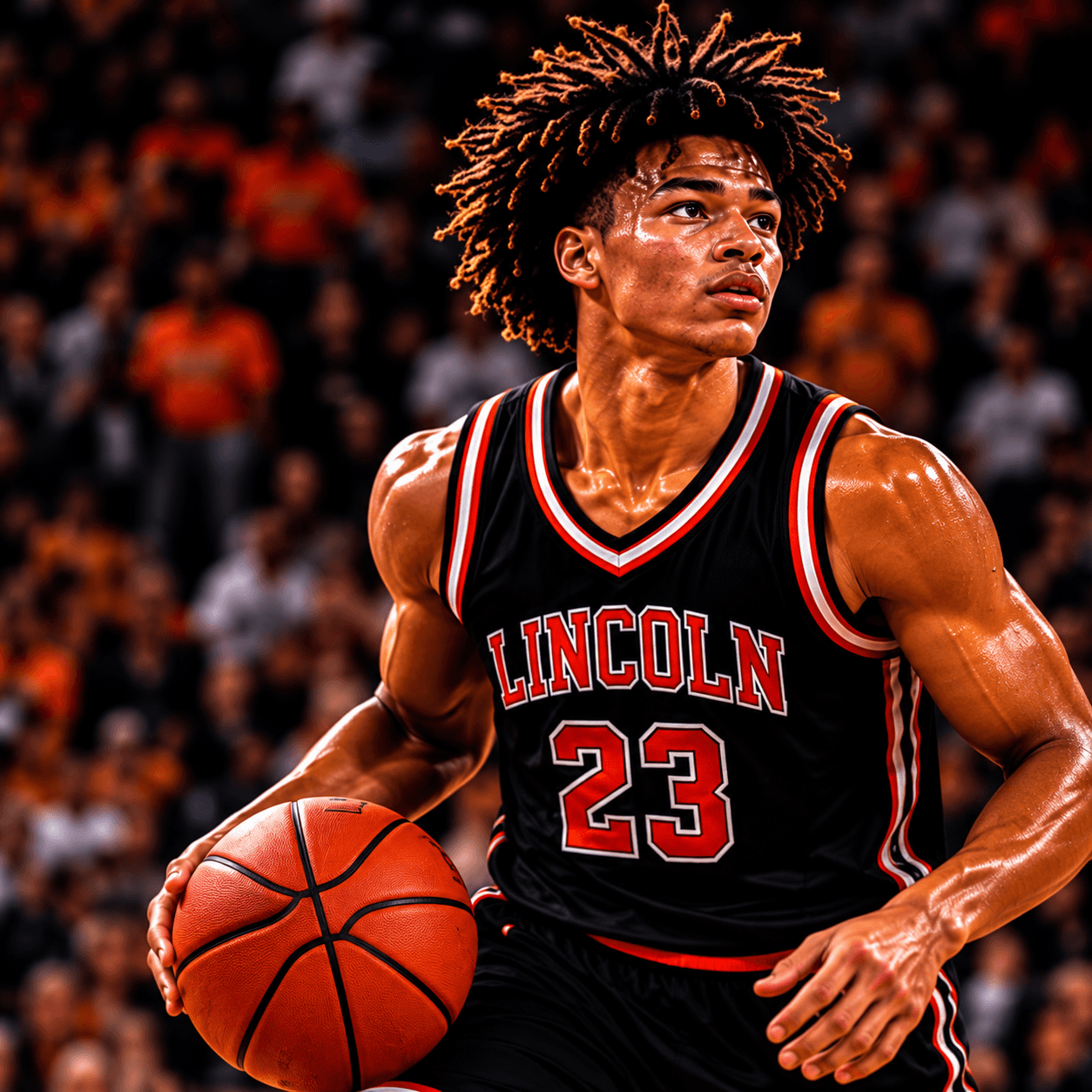
There's a certain kind of young player a lot of coaches recognize: the one who hates making mistakes. They want every shot to go in, every pass to be clean, every possession flawless. It can look like high standards. Sometimes it quietly gets in their way.
Here's the part that surprises people — the player who's most afraid of mistakes can end up making more of them, not fewer.
How chasing perfect can backfire
When a player sets the bar at flawless, a few things tend to show up, and they don't tend to help:
They can play scared. If a mistake feels like a disaster, it gets harder to take risks. You pass up the open shot. You don't try the move. Playing small to avoid looking bad is its own kind of losing.
One mistake can snowball. A player who can't let a bad play go may carry it into the next one — the turnover becomes a forced shot becomes a rushed decision, because they're still chewing on the first mistake instead of moving on.
The fun can drain out. When the only acceptable outcome is perfect, basketball can start to feel like a test they're always a little bit failing. That's a hard way to play your best.
Often the player cares a lot about doing well — and the fear of falling short is what gets in the way.
The aim isn't "care less"
You don't help by telling a kid to stop caring — they can't, and you wouldn't want them to. It helps more to change what they're aiming at.
Trade "be perfect" for "be brave."
A brave player and a perfect player can look very different on the floor. The perfect player avoids the hard shot so they can't miss it. The brave player takes the right shot and lives with the result. Over a season, the brave player often gets more reps, more learning, and more room to grow.
Even the best players in the world miss — including big shots. What tends to set them apart isn't being flawless; it's that a miss doesn't shrink them. They take the next one.
For the parent (quietly)
How we react to mistakes can shape how a kid sees them. Repeated reactions to a mistake — the sighs, the breakdowns — can reinforce the belief that mistakes matter more than growth. You can flip that by noticing the brave play, not just the made one. "I loved that you took that shot" teaches something different from "why'd you miss that?"
Do this now
Next game, pick one brave play to make on purpose — an open shot you'd normally pass up, a drive you'd normally hesitate on — when it's the right play, and take it, make or miss. Judge yourself on making the good decision, not on whether it drops. Do that over a few games and notice how it feels to play free instead of afraid.
Perfect can be a cage. Brave is a game.
This kind of mindset shift is what Locked In is built around — training the part of the game that lets your skills show up when it's hard.