
Why Your Kid Freezes at the Free-Throw Line (and How to Help)
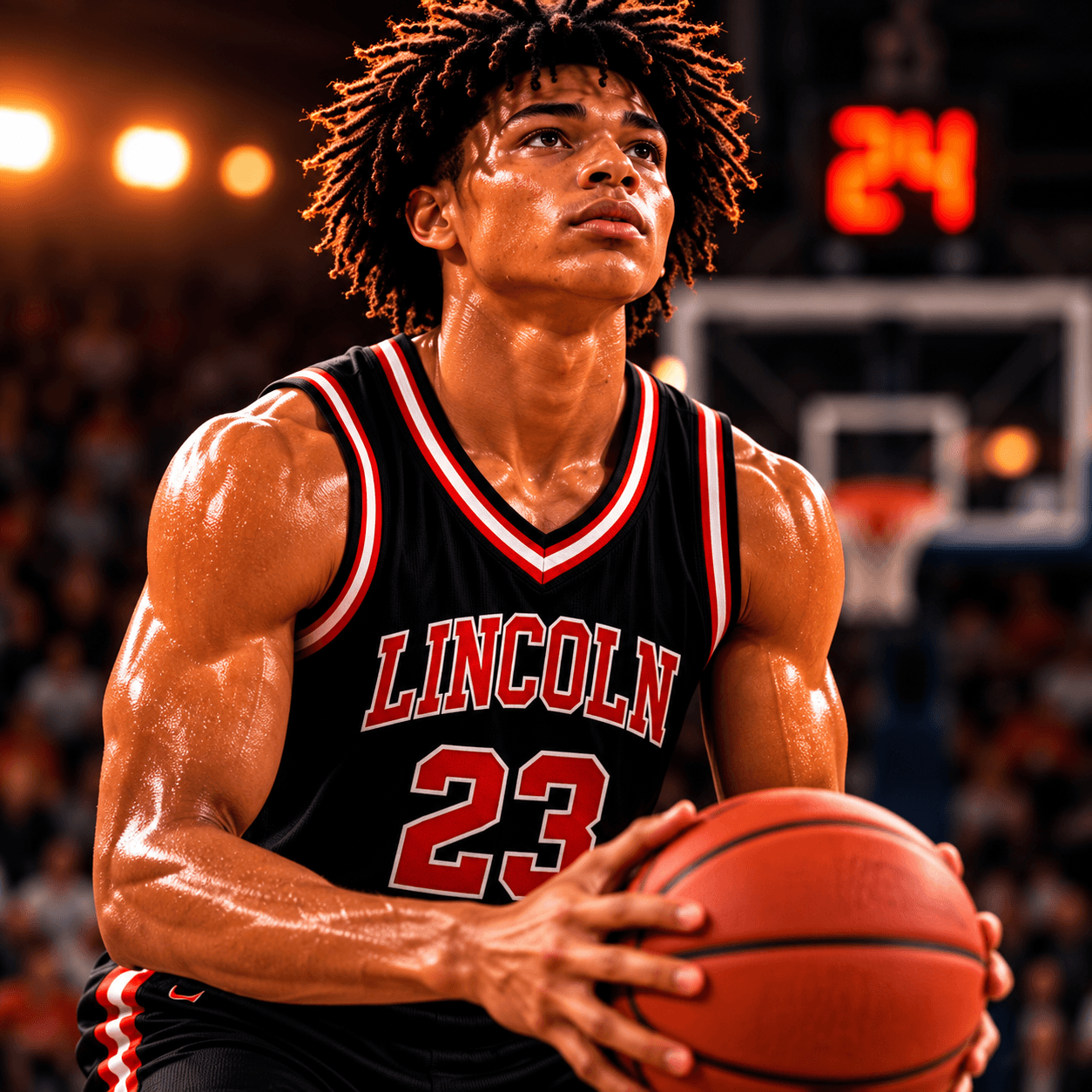
You've seen it from the bleachers. A shot your kid makes over and over in the driveway — easy, automatic — clanks off the front rim the moment it matters. Free throw, game on the line, and their body seems to tighten up.
It may not be only a shooting problem. The rim is the same height it is at home. The ball weighs the same. What's different is the pressure — the crowd, the moment, and one loud thought: don't miss. For a lot of young players, that pressure can change how the shot feels.
That's not weakness, and it's not something to scold out of them. It's a normal response to a big moment, and it's something they can learn to work with.
Why pressure can get into a shot
When a young player feels a moment is big, their body can respond the way it does to any stress — a little faster, a little tighter, a little more revved up. That's fine if you need to sprint; it's less helpful for a calm, precise movement like a free throw. So the shot that feels automatic at home can feel different under the lights.
The good news is that this is workable. Players can build small habits that help them steady themselves before a shot — and that's a skill, not a fixed trait.
A simple thing that can help: a slower breath
One of the most common tools is simply breathing out slowly before the shot — a slow, comfortable exhale, a little longer than the breath in. Many players find that slow, comfortable breathing helps them feel a bit steadier before a big moment.
A simple version a kid can remember: breathe in through the nose, then out slowly through the mouth, once or twice as part of their free-throw routine — bounce, breath, shot.
A gentle note: don't force the count or hold the breath hard. If a slow breath ever makes a kid feel lightheaded, just go back to breathing normally. And if nerves or worry are following them off the court, that's worth a conversation with a trusted adult or a professional — not something a breathing trick is meant to fix.
The thing that makes a tool like this actually show up in a game is practice when the stakes are low — a few slow breaths in the car or before bed — so it feels familiar by the time the gym gets loud. A tool tried for the first time under pressure may be harder to use; a tool that's already a habit has a much better chance.
Your job as the parent (the quiet part)
This is the part that's genuinely in your control. A kid at the line is already managing a loud head. If they look up and see you tense, groaning, or calling out instructions, that can add to the noise.
The most helpful thing you can be in that moment is calm and steady — a nod, not a flinch. Your composure makes it easier for them to find their own. You can't take the shot for them, but you can be one steady face in a loud gym.
Do this now
Teach your kid the slow breath away from basketball first — tonight, on the couch — so it's familiar and relaxed. Then let them bring it to the line on their own, as part of their routine. And on game day, give them the easiest gift there is: be steady in the stands.
A guided version of the one-breath reset is free to read: The Next Play Reset walks a young player through it. It's drawn from Locked In, the young hooper's guide to the mental game.